
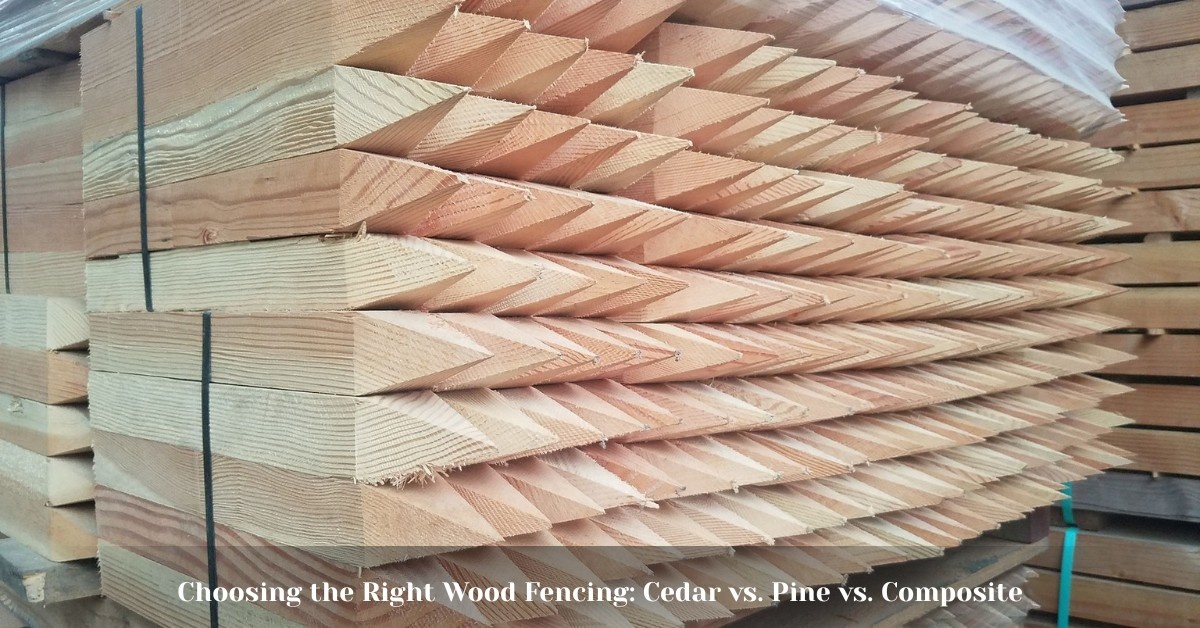
Choosing the Right Wood Fencing: Cedar vs. Pine vs. Composite
A fence is not just a barrier. It sets boundaries, adds beauty, and can raise a property’s value. At Billboard Lumber Company, we help builders and homeowners in making smart choices. Here is a clear and simple comparison of cedar fencing, pine, and composite options. This guide explains their benefits, drawbacks, and how to pick the best one for your needs.
1. Cedar Fencing: Natural Beauty That Lasts
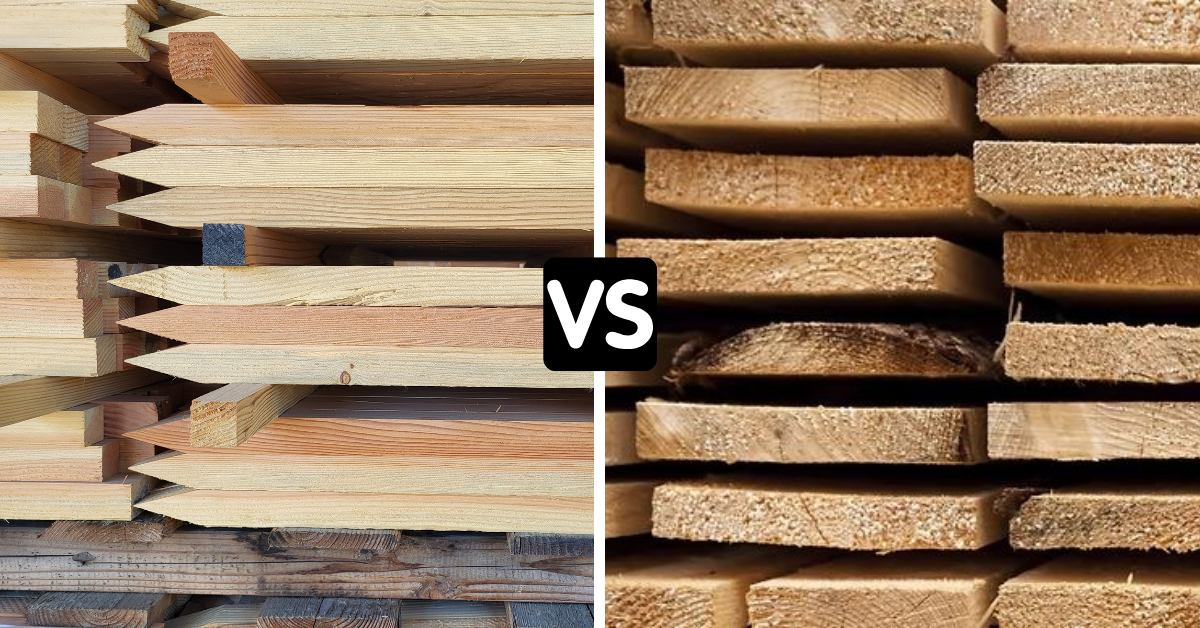
Cedar fencing stands out because of its warm reddish and brown tones. Cedar contains natural oils that fight off bugs, rot, and mold. This makes it a great choice in wet climates. Once installed, cedar fences age softly to a silver-grey if left natural. You can also stain or paint cedar to match your design.
We mill cedar right here in Oregon, so our clients get wood well‑suited to local weather. Cedar also supports sustainable forest practices when sourced responsibly. It is a top choice for projects that need both strength and visual appeal.
2. Pine Fencing: Affordable but Needs Care
Pine is less expensive than cedar, which makes it popular for budget-friendly fencing. However, plain pine is vulnerable to decay and pests. That’s why pine fences are usually pressure treated, meaning the wood is soaked in protective chemicals.
Treated pine can last about 10 to 15 years outdoors, but it needs yearly maintenance like sealing or staining. Without care, pine fences can warp or split. For short-term projects or places where costs must stay low, pine is a solid option.
3. Composite Fence vs Wood: Low Upkeep, High Cost
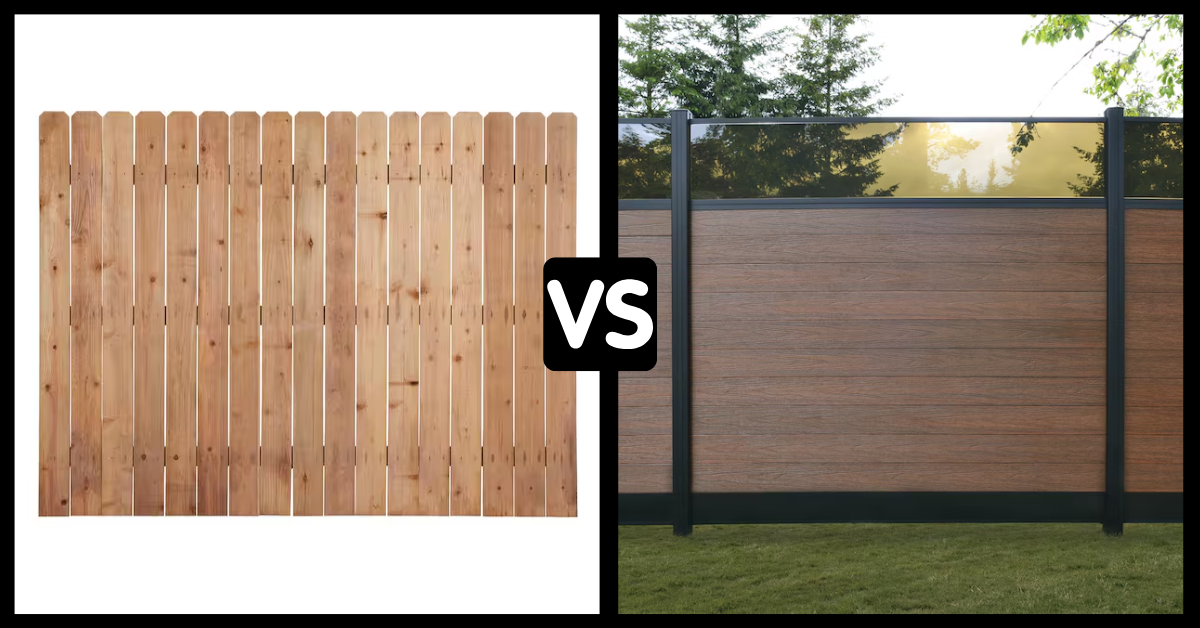
Many homeowners now ask about composite fence vs wood. Composite is made from recycled wood fibers and plastic. It looks modern and resists rotting, insects, and weather damage. Composite fences may come with warranties and can last 25 to 30 years with almost no upkeep.
However, composite fences cost more upfront. They may also absorb heat on hot days and can be harder to repair if damaged. Composite is a great fit for places where long life and little maintenance are important but matching natural wood looks matters too.
4. Durable Fence Materials: Investing Wisely
When building a fence, choosing durable fence materials matters. Here is a quick comparison:
|
Material |
Lifespan |
Care Required |
Look |
Cost |
|
Cedar |
20–30 years |
Clean & optional stain |
Natural wood look |
Mid to high |
|
Pine |
10–15 years |
Seal or stain yearly |
Fresh wood appearance |
Low to mid |
|
Composite |
25–30+ years |
No regular maintenance |
Uniform modern appearance |
High |
With cedar, you get a natural and beautiful option that lasts long. Pine gives you a lower-cost choice but needs more care. Composite doesn’t need upkeep and lasts long, but it costs more and may not match wood’s look as well.
5. How We at Billboard Lumber Can Help
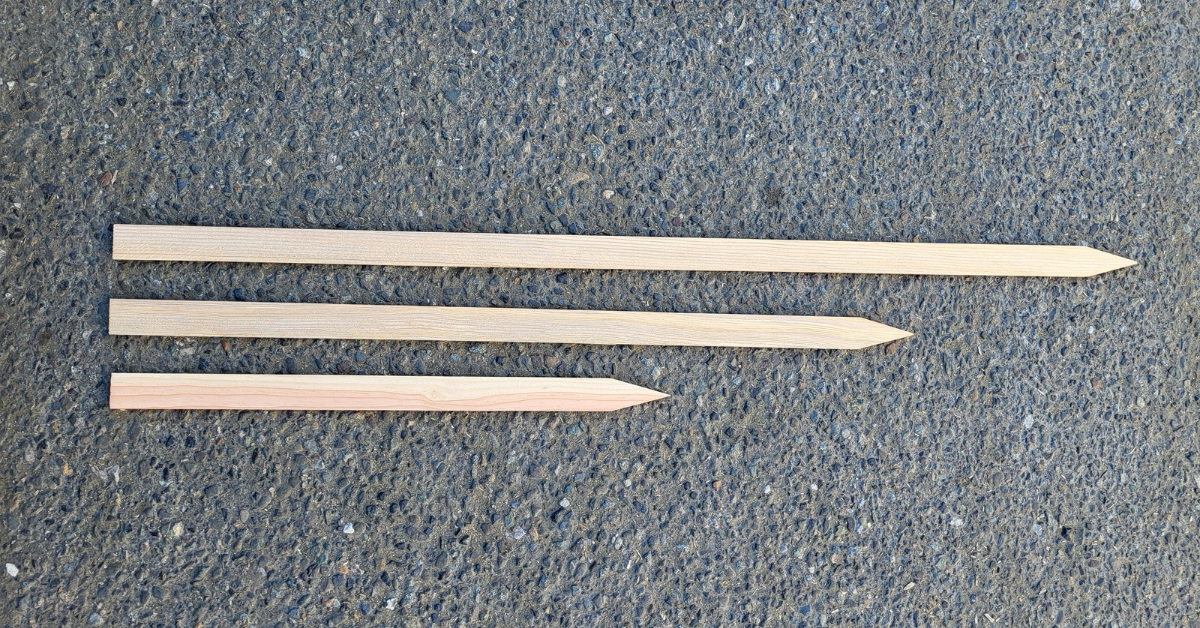
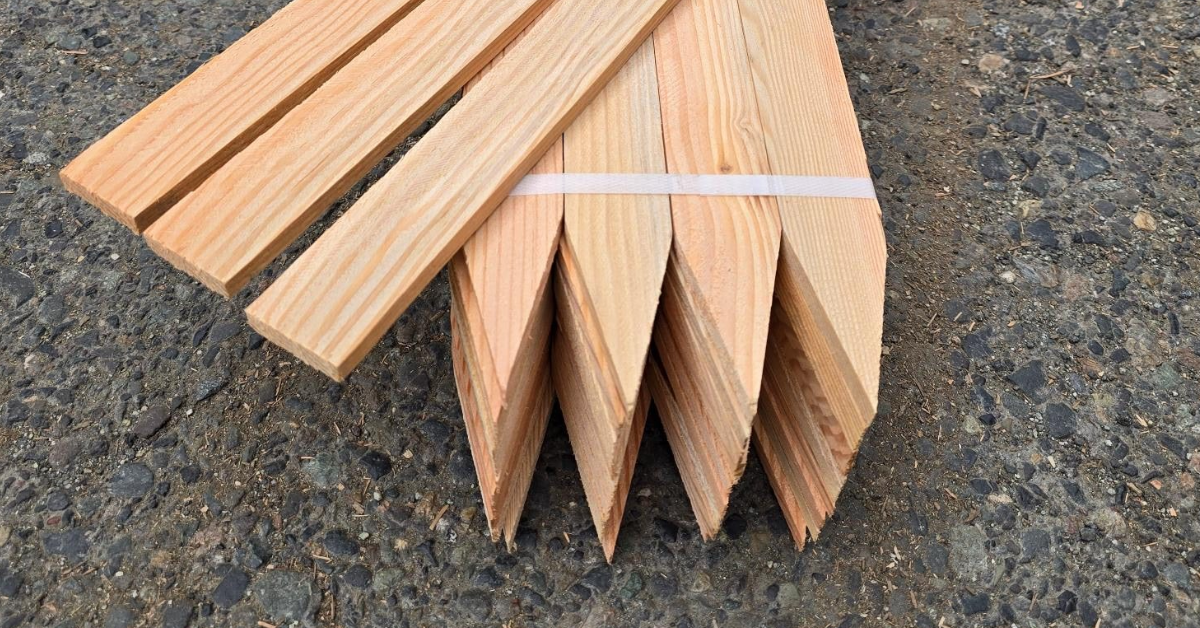
At Billboard Lumber Company, we support businesses and homeowners from start to finish. We mill local cedar and offer pine as well. We guide clients who compare composite fence vs wood by explaining what suits their budget and style.
Our services include:
- Custom cutting to exact board lengths
- Fast delivery across Oregon and nearby states
- Expert advice on material care, installation, and design
Because we handle the whole process, we save clients time and ensure the quality and fit of each product.
Frequently Asked Questions
1. Which type of fence looks the most natural?
Cedar fencing has the most natural look. It ages gracefully and can be painted or stained. Pine looks natural too but needs regular care. Composite offers a modern but less wood-like look.
2. Can pine be treated to last longer?
Yes. Pressure-treated pine resists insects and decay much better than untreated pine. Still, it needs yearly sealing or staining to last 10 to 15 years.
3. Does composite fencing get too hot in the sun?
Composite fences can become warm under direct sunlight. Some brands offer lighter colors or textured options that stay cooler and look natural.
4. Is cedar support local harvesting?
Yes. We source cedar from Oregon forests that are sustainably managed. Buying local helps the environment and supports nearby communities.
5. How do I pick between cedar and composite?
If you want natural beauty and are okay with occasional cleaning, choose cedar. If you want a hands-off option that lasts for decades, composite might be best for you.
Reach Out To Us!!
Selecting the perfect fence comes down to balancing cost, care, lifespan, and style. When comparing cedar vs pine vs composite fencing, each material brings something different to the table. Cedar fencing offers both beauty and strength. Pine is cost-effective but needs regular maintenance. Composite is easy to care for and long lasting but costs more up front. At Billboard Lumber Company, we provide materials, custom services, and advice to help you choose wisely.
Whether you choose cedar, pine, or composite, we are here to support your project every step of the way. Contact us today to explore your options and build a fence that fits your needs and lasts for years.
Share: