
Construction Survey Stakes: Frequently Asked Questions Answered by Industry Experts
Construction projects need careful planning to make sure everything is built in the right place. One of the most important tools used on a job site is a construction survey stake.
These small markers help surveyors, engineers, and contractors know where to dig, build, and install utilities. They mark property lines, show ground levels, and guide construction work from start to finish.
Using construction survey stakes correctly helps avoid costly mistakes, improves safety, and keeps projects on schedule.
What Are Construction Survey Stakes?
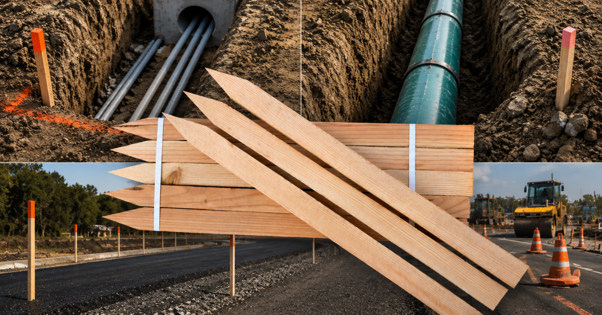
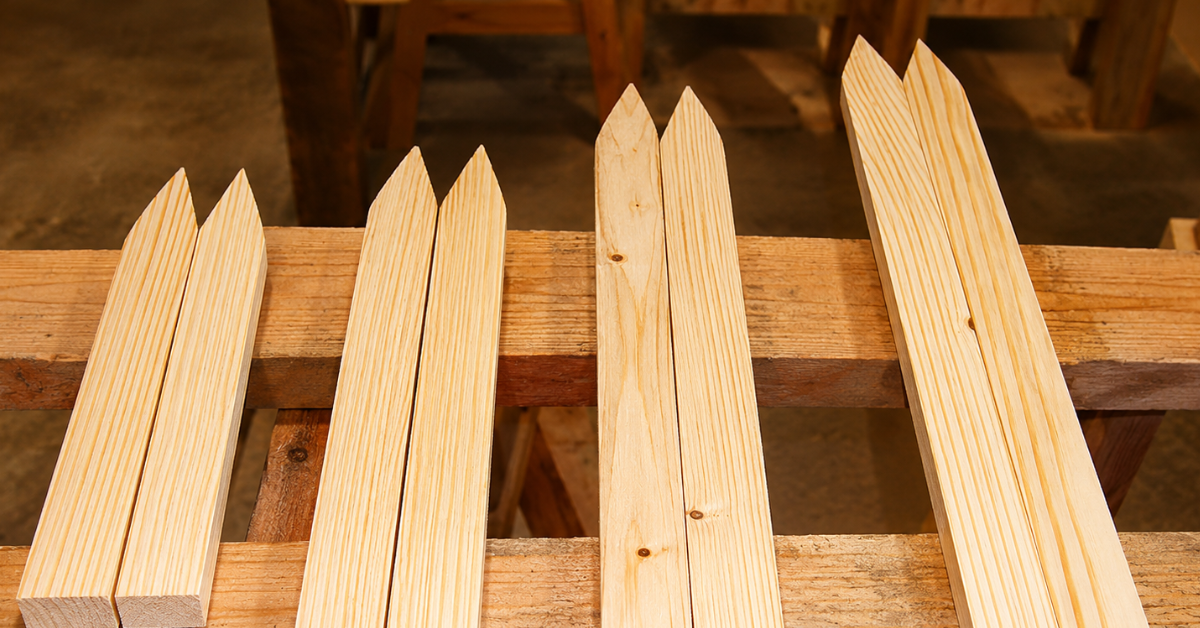
Construction survey stakes are small markers placed around a construction site to show important locations. They tell workers where buildings, roads, utilities, and other structures should be built. These survey stakes also guide excavation and grading, helping crews prepare the land before construction begins.
Survey stakes help workers:
- Mark the exact location for construction.
- Guide digging and grading work.
- Show property boundaries.
- Mark underground utility locations.
- Follow engineering and building plans.
- Reduce mistakes and avoid project delays.
Because these markers provide clear directions, contractors can complete their work more accurately and safely. They also help teams save time, reduce waste, and keep projects moving smoothly.
What Are Construction Survey Stakes?
Construction survey stakes are physical markers placed at specific points on a job site. They help surveyors and contractors transfer information from engineering drawings to the ground. This makes it easy for construction crews to know exactly where to build.
These construction layout stakes are commonly used to mark:
- Building corners
- Foundation layouts
- Property boundaries
- Road centerlines
- Utility routes
- Grading and elevation points
- Excavation limits
Some survey stakes are temporary and are removed after a part of the project is finished. Others stay in place longer and act as permanent reference points for future work.
Expert Tip: Never remove or move a survey stake unless a surveyor tells you it is safe to do so. Even moving a stake a few inches can cause building mistakes, extra work, and project delays.
Why Are Survey Stakes Important on Construction Sites?
Every successful construction project starts with accurate measurements. Construction survey stakes give workers clear reference points so they can build in the right place from the beginning.
These markers help by:
- Making sure buildings and roads are placed correctly.
- Reducing mistakes during excavation and grading.
- Helping crews follow engineering plans.
- Supporting safety and local building requirements.
- Improving communication between surveyors and contractors.
- Preventing costly rework and unnecessary delays.
Without proper site staking, even a small measuring mistake can lead to expensive repairs later.
Types of Construction Survey Stakes
Not all construction survey stakes are the same. Different projects need different types of stakes based on the job, the ground conditions, and how long the markers need to stay in place.
Here are the most common types of survey stakes used on construction sites:
| Stake Type | Material | Common Use | Typical Lifespan |
| Wooden Survey Stakes | Wood | General construction layout | Short-term |
| Survey Lath | Wood | Offset marking and better visibility | Short-term |
| Grading Stakes | Wood or Plastic | Checking ground height and grading | Medium-term |
| Hub Stakes | Hardwood | Precise survey control points | Long-term |
| Utility Marking Stakes | Plastic or Fiberglass | Marking underground utilities | Medium-term |
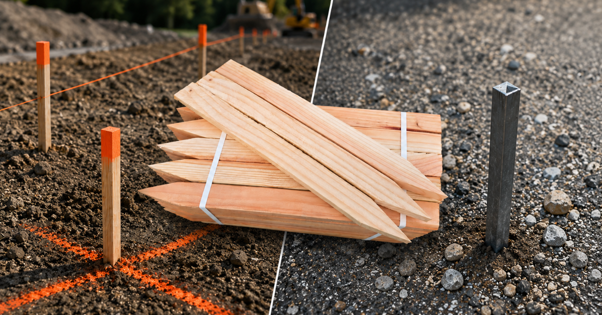
| Steel Pins | Steel | Permanent survey reference points | Long-term |
Each type of stake has a different purpose. For example, wooden survey stakes are great for marking building layouts, while survey lath is taller and easier to see from a distance. Grading stakes help crews prepare the land, and utility marking stakes show where underground pipes or cables are located. Choosing the right stake helps workers finish the job faster and with fewer mistakes.
How Do Surveyors Mark Survey Stakes?
Surveyors write important information on construction survey stakes so workers know exactly what to do. These markings help contractors follow the project plans without guessing.
Here are some common survey stake markings:
| Marking | Meaning |
| CUT 0.35 | Remove 0.35 feet of soil |
| FILL 0.20 | Add 0.20 feet of soil |
| CL | Centerline |
| TC | Top of Curb |
| INV | Invert Elevation |
You may also see numbers, letters, arrows, or symbols on a stake. These can show:
- Elevation levels
- Cut or fill amounts
- Offset distances
- Station numbers
- Lot or project numbers
Learning to read survey stake markings helps contractors dig, grade, and build in the correct location. It also reduces mistakes and keeps the project moving smoothly.
What Materials Are Survey Stakes Made From?
Construction survey stakes are made from different materials. Each material has its own strengths and is used for different jobs.
Wood
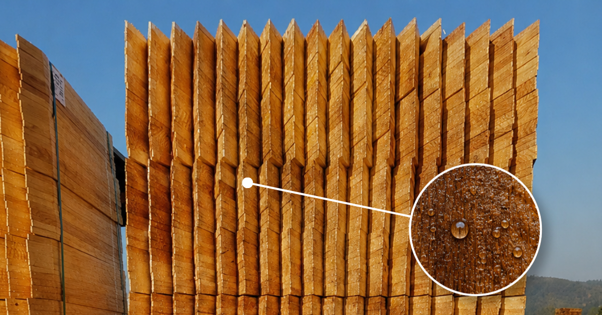
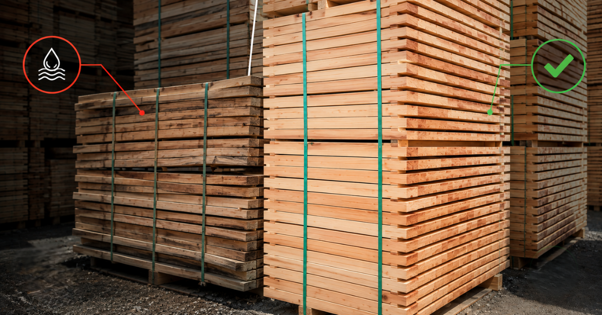
Wood is the most common material for wooden survey stakes. It is affordable, easy to cut, and simple to write on. Wood works well for short-term projects, but it can weaken if left in wet weather for a long time.
Plastic
Plastic stakes are lightweight and waterproof. They last longer than wood in rainy or damp conditions and are often used to mark underground utilities.
Fiberglass
Fiberglass stakes are strong, flexible, and resistant to rust and weather damage. They are a good choice for tough job sites where extra durability is needed.
Steel
Steel pins are the strongest option. They are used as permanent reference points because they can handle heavy equipment, harsh weather, and long-term use.
Survey Stake Colors Explained
The colors on survey markers make it easy for workers to identify underground utilities and planned construction work. While color codes may vary slightly by local regulations, the following colors are commonly used across the construction industry.
| Color | Typical Meaning |
| Red | Electric utilities |
| Yellow | Gas lines |
| Blue | Water lines |
| Orange | Communication and telecom lines |
| Green | Sewer and drainage |
| White | Proposed excavation |
| Pink | Temporary survey markings |
How Are Construction Survey Stakes Installed?
Installing construction survey stakes takes careful planning and accurate measurements. Surveyors use special tools to make sure every stake is placed in the correct location. This helps contractors build exactly as shown in the engineering plans.
Here are the basic steps:
- Review the engineering drawings and project plans.
- Set up control points to use as reference markers.
- Measure and confirm the correct locations.
- Drive the survey stakes into the ground.
- Label each stake with important survey information.
- Double-check the placement for accuracy.
- Perform a final inspection before construction starts.
Taking the time to install construction survey stakes correctly helps prevent mistakes, saves time, and keeps the project on track from the very beginning.
Common Mistakes Contractors Make with Survey Stakes
Even small mistakes with survey stakes can lead to big problems on a construction site. Knowing what to avoid can save time, money, and extra work.
Some common mistakes include:
- Ignoring offset stakes during excavation.
- Moving or removing stakes too early.
- Reading survey stake markings incorrectly.
- Using broken, damaged, or hard-to-read stakes.
- Forgetting to check reference points after heavy equipment has been used.
Best Practices for Maintaining Survey Stakes
Construction sites change every day, so survey markers should be checked regularly to make sure they are still accurate and easy to see.
Follow these simple maintenance tips:
- Keep stakes away from heavy machinery whenever possible.
- Add bright flagging tape to make them easier to spot.
- Replace any damaged or missing stakes right away.
- Check the stakes after heavy rain, strong winds, or flooding.
- Ask the surveyor before moving any reference marker.
- Record any changes made during the project.
Looking after construction survey stakes helps workers stay on the right path and reduces the chance of costly mistakes later in the project.
When Should Survey Stakes Be Replaced?
Over time, construction survey stakes can become damaged or difficult to see. Replacing them at the right time helps keep the project accurate and safe.
Survey stakes should be replaced if they are:
- Broken or damaged by construction equipment.
- Rotten or weakened by bad weather.
- Covered by dirt, plants, or building materials.
- No longer easy to read.
- Updated because the project plans have changed.
Frequently Asked Questions from Contractors
How accurate are construction survey stakes?
When installed by trained surveyors using modern equipment, construction survey stakes are highly accurate.
Who installs survey stakes?
Survey stakes are usually installed by licensed land surveyors or experienced construction survey teams.
Can contractors move survey stakes?
No. Contractors should never move or remove a survey stake without permission from the surveyor.
What happens if survey stakes are damaged?
If a stake is damaged, bent, or missing, it should be reported immediately.
Are wooden survey stakes reusable?
Sometimes. If wooden survey stakes are still strong and easy to read, they may be reused.
How long do survey stakes stay on-site?
Survey stakes usually remain in place until that part of the construction project is finished or new survey measurements are required.
Industry Standards and Regulations
Construction projects must follow rules that help keep workers safe and ensure buildings are built correctly. Construction surveying follows industry standards that guide how survey stakes are placed, marked, and maintained.
Before digging begins, contractors should always check for underground utility lines and follow local “Call Before You Dig” requirements. Following these rules helps prevent accidents, protects underground utilities, and keeps projects running smoothly.
Expert Tips for Improving Survey Accuracy
Good surveying starts with careful planning and regular checks. These simple tips can help improve accuracy on any construction site:
- Check important points with modern surveying equipment.
- Protect benchmark locations throughout the project.
- Replace survey stakes if they become damaged or hard to read.
- Teach construction crews how to read survey stake markings.
- Inspect stakes regularly, especially after heavy rain or equipment activity.
- Choose durable survey stakes that match the project conditions.
Small steps like these can prevent mistakes, reduce extra work, and improve the overall quality of the project.
Final Thoughts
Construction survey stakes may look simple, but they play a big role in every successful construction project. They help mark building locations, guide excavation and grading, identify property boundaries, and show where utilities should be installed. These markers also help contractors follow engineering plans with confidence and reduce costly mistakes.
If you need durable construction survey stakes, wooden survey stakes, survey lath, or other dependable construction marking products, Billboard Lumber Company offers high-quality solutions trusted by professionals.
Frequently Asked Questions
- What are construction survey stakes used for?
Construction survey stakes mark layout points, property boundaries, elevations, and utility locations, helping contractors build accurately while reducing costly errors, delays, and rework.
- What information is written on survey stakes?
Survey stakes typically display elevation data, cut or fill values, station numbers, offset distances, lot references, and other project-specific instructions for construction crews.
- Are wooden survey stakes reusable?
Yes, wooden survey stakes can be reused if they remain undamaged and legible. However, replacing worn stakes ensures better visibility and construction accuracy.
- How long do construction survey stakes remain on-site?
Survey stakes generally remain until the related construction phase is complete or updated surveying is required due to design changes or site modifications.
- Who installs construction survey stakes?
Licensed land surveyors or qualified construction surveying professionals install survey stakes according to engineering drawings, project specifications, and approved site layouts.
- Can contractors remove survey stakes?
Contractors should not remove survey stakes without approval from the surveyor, as premature removal can cause layout errors, rework, and project delays.
- What do different survey stake colors mean?
Survey stake colors identify utilities or construction activities, such as electric, gas, water, sewer, communications, and excavation, though meanings may vary by local regulations.
- How accurate are modern construction survey stakes?
When installed using advanced surveying equipment, construction survey stakes provide highly accurate reference points that support precise layout, grading, and structural placement.
Share: