
Heat Treating Lumber: What ISPM-15 Means for Your Business
A small piece of wood can make a big difference when shipping products. If the wood used in pallets or crates is not treated correctly, it can carry bugs and pests from one place to another. This can cause problems for businesses and delay shipments.
That is why many companies use heat-treated wood. The process helps make wood safe for shipping and meets important rules for global trade. For businesses involved in heat treating lumber in Oregon, understanding ISPM-15 is an important step toward smoother shipping and better customer service.
What Is Heat Treating Lumber?
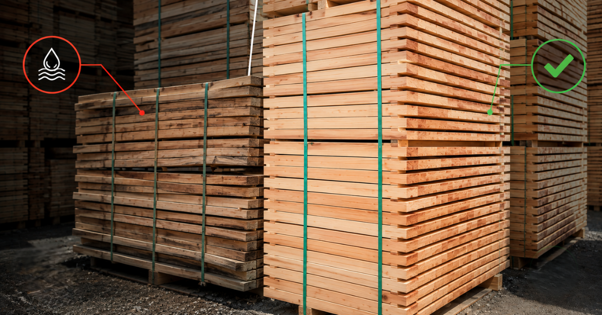
Heat treating lumber is a process that uses high temperatures to remove insects, larvae, and other pests that may be hiding inside the wood.
During the process, the wood is heated until the center reaches a specific temperature for a set amount of time. This treatment helps stop pests from traveling to new locations through wooden packaging materials.
Unlike chemical treatments, heat treatment does not use pesticides. It relies on heat alone, making it a simple and environmentally friendly solution.
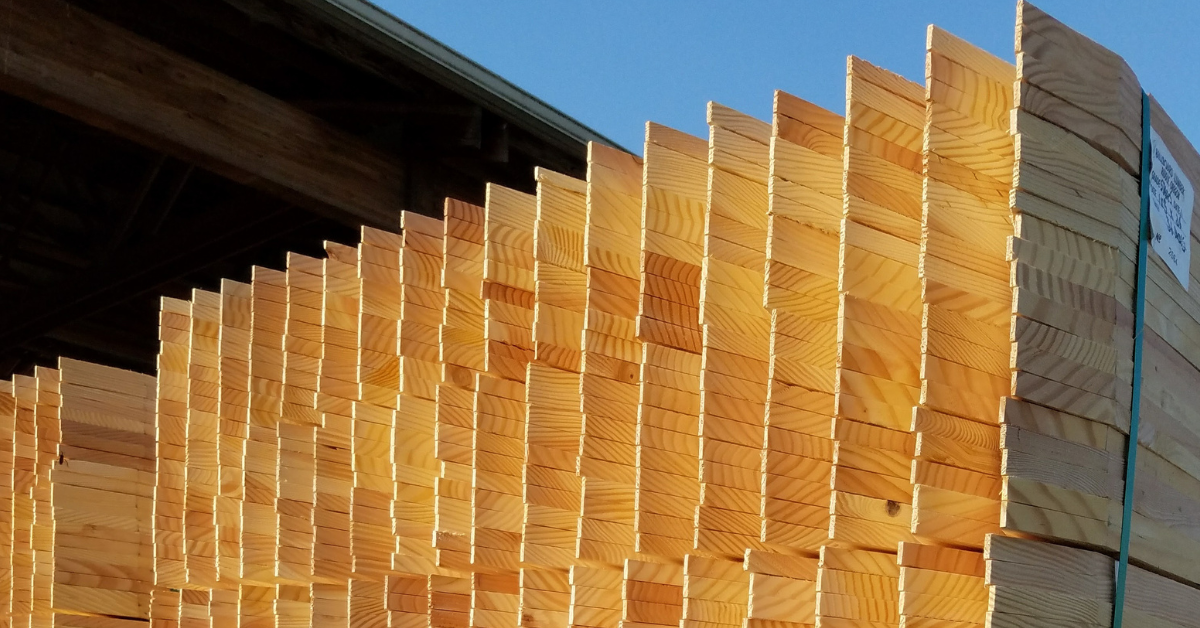
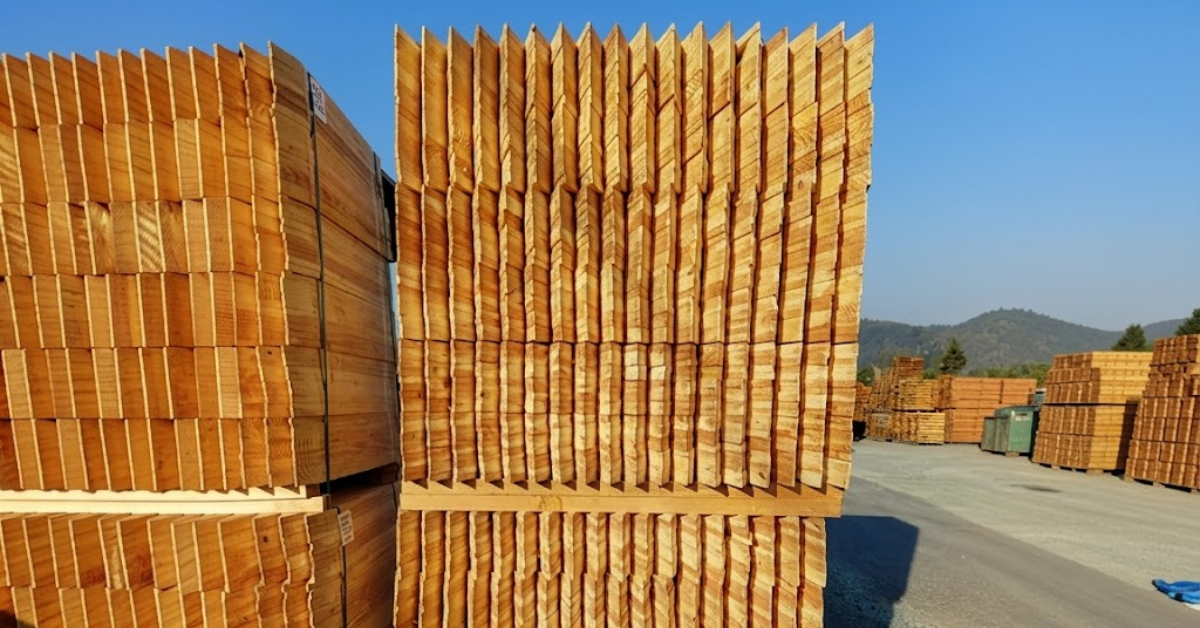
After treatment, the wood can be used to make pallets, crates, dunnage, and other shipping materials that meet international requirements.
What Is ISPM-15?
ISPM-15 is a global rule for wood packaging materials used in international shipping.
The purpose of this rule is simple. It helps stop harmful insects and diseases from moving from one country to another through wood products.
The standard applies to many types of wood packaging, including:
- Pallets
- Crates
- Skids
- Dunnage
- Shipping supports
- Wood boxes
When wood meets the ISPM-15 requirements, it receives a special mark. This mark tells customs officials and shipping companies that the wood has been properly treated and is safe for international transport.
Why Is Heat-Treated Lumber Important for Businesses?
- Helps Meet Shipping Rules
Many countries require heat-treated wood packaging before products can enter their borders. Businesses that follow these rules can avoid unnecessary problems during shipping.
- Reduces Shipping Delays
When packaging materials meet ISPM-15 standards, shipments are more likely to move smoothly through customs inspections. Time and money can be saved in this way.
- Protects Products
Strong and properly treated wood helps support products during transportation. This can reduce damage and improve customer satisfaction.
- Supports Global Trade
Businesses that ship products around the world need packaging materials that meet international standards. Heat-treated lumber helps make this possible.
People Also Ask
FAQ 1: What does the ISPM-15 stamp mean?
The ISPM-15 stamp shows that the wood has been treated according to international standards. It tells inspectors that the wood is approved for global shipping.
FAQ 2: Is heat-treated lumber required for all exports?
Not every shipment requires it, but many countries require ISPM-15-compliant wood packaging. Businesses should always check the rules for their destination country.
Why Heat-Treating Lumber Matters in Oregon?
Oregon has a long history of producing quality wood products. Many businesses in the state rely on lumber for shipping, manufacturing, farming, and construction.
Because products often travel across the country and around the world, heat treating lumber in Oregon helps businesses stay compliant with shipping requirements.
The region also experiences weather conditions that can affect wood. Proper treatment helps improve the quality and reliability of lumber used for packaging and other purposes.
Businesses that work with trusted providers can feel confident that their wood products meet industry standards and are ready for use.
How to Choose the Right Lumber Supplier?
Not every supplier offers certified heat-treated lumber. Choosing the right partner can make a big difference.
- Look for Proper Certification
A reliable supplier should follow approved treatment procedures and provide proof of compliance.
- Check Their Experience
Suppliers with years of experience understand shipping requirements and know how to produce quality products.
- Ask About Their Services
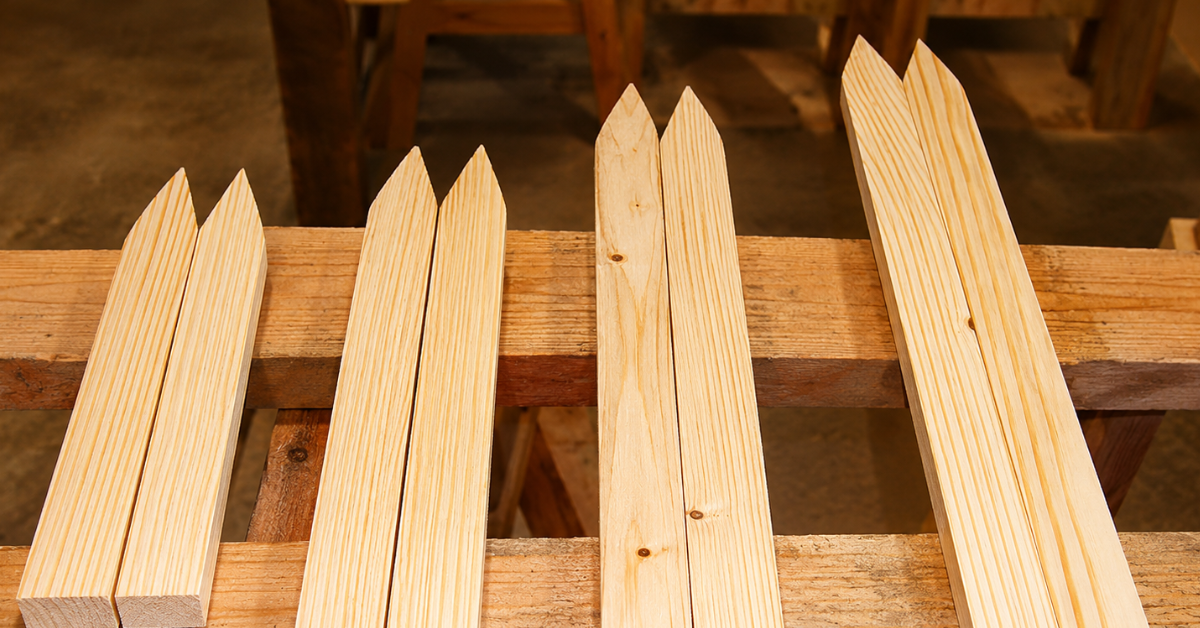
Some companies offer more than heat treatment. They may also provide custom lumber, pallets, stakes, and other wood products.
Work with an ISPM-15 Certified Lumber Supplier
Selecting an ISPM-15 certified lumber supplier can assist guarantee that the wood packing materials you use adhere to global standards. This can give your business greater peace of mind when shipping products across borders.
Quality Matters
Good suppliers focus on consistency and quality control. This helps ensure that every piece of lumber meets the required standards.
People Also Ask
FAQ 3: Which goods are eligible for ISPM-15 heat treatment?
Many wood products can be heat treated, including pallets, crates, skids, dunnage, and wood packaging materials used for shipping.
FAQ 4: Is chemically treated lumber superior than heat-treated lumber for export?
Many businesses prefer heat-treated lumber because it does not require chemical pesticides. It is also widely accepted for international shipping.
Common Uses for Heat-Treated Lumber
Heat-treated lumber is used in many industries.
- Manufacturing
Manufacturers use heat-treated pallets and crates to move products safely from one place to another.
- Agriculture
Farmers and agricultural businesses often use treated wood packaging for equipment and products.
- Construction
Builders use treated lumber for different projects where strength and durability are important.
- Warehousing and Distribution
Warehouses depend on strong pallets and shipping materials to move goods safely and efficiently.
Another reason businesses value heat treating lumber in Oregon is the ability to access quality wood products that support many different industries.
Compliance Today Helps Your Business Tomorrow
Following ISPM-15 requirements is not just about meeting rules. It is also about protecting your products, avoiding delays, and keeping customers happy.
When businesses use properly treated lumber, they can ship with greater confidence. They know their packaging materials meet important standards and are ready for international transportation.
People Also Ask
FAQ 5: How can I tell if lumber is ISPM-15 compliant?
Look for the official ISPM-15 mark on the wood packaging material. A trusted supplier can also provide documentation showing that the wood has been properly treated and certified.
Connect With Us Now!!
Finding the right supplier can help your business save time, avoid shipping issues, and meet important regulations. Whether you need pallets, crates, or custom wood products, working with an experienced provider makes the process easier.
For businesses looking for dependable heat-treating lumber in Oregon, we are here to help. At Billboard Lumber Company, we provide quality heat-treating services and reliable lumber solutions designed to support your shipping and business needs.
Share: