
Survey Stakes vs. Steel Stakes: Which Is Better for Your Project?
A strong project starts with smart choices, and selecting the right materials can make every step easier. When preparing land, building structures, or marking important areas, the right survey stakes help workers create clear points for accurate work.
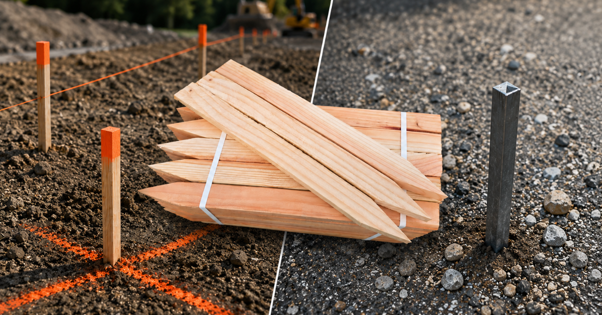
Two common options are wood and steel stakes. While both are useful, they have different strengths. Understanding how they work, where they are used, and what makes them different can help you choose the best option for your next project.
What Are Survey Stakes?
Survey stakes are markers placed into the ground to show important locations during a project. Builders, surveyors, and contractors use them to identify property lines, measurements, digging areas, and building points.
These simple tools help teams follow plans correctly and avoid mistakes. Land survey stakes are available in different materials, but wood and steel are the most common choices. The right option depends on the type of project, ground conditions, and how long the markers need to stay in place.
Wood Survey Stakes: Features and Benefits
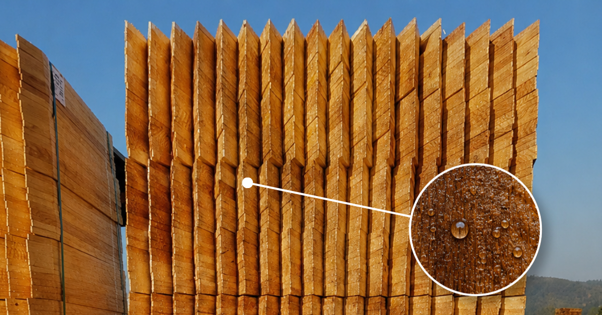
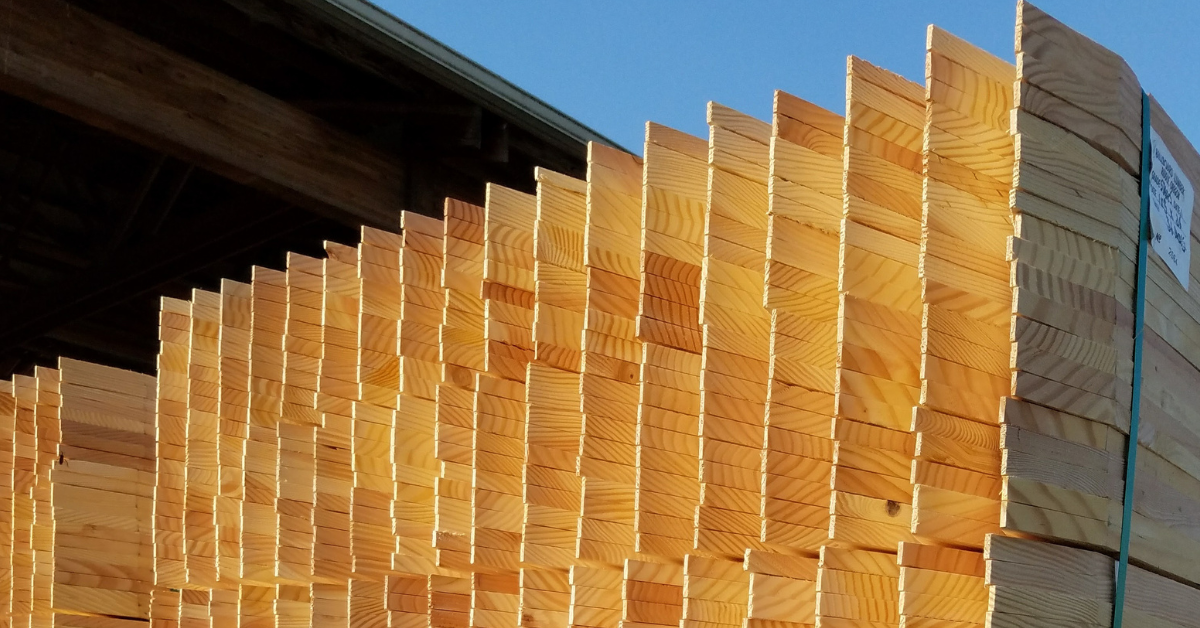
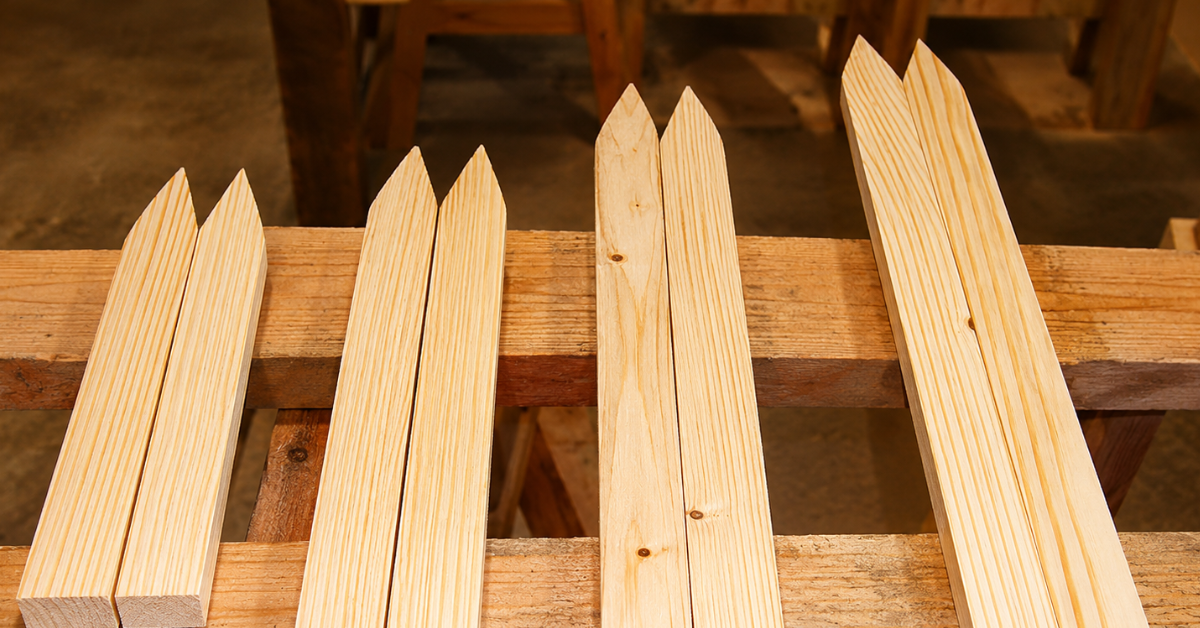
Wood survey stakes are widely used because they are easy to handle and affordable. They are usually made from strong lumber and provide a smooth surface where workers can write measurements, notes, or project details.
Many construction teams choose wood stakes for projects where clear marking and easy installation are important. They can be pushed into the ground quickly and replaced without a high cost if needed.
Why Choose Wood Survey Stakes?
- Easy to carry and move around the work area.
- Simple to mark with paint, pencils, or permanent markers.
- Cost-effective for large projects that need many stakes.
- Easy to adjust into different sizes.
- A practical choice for temporary marking needs.
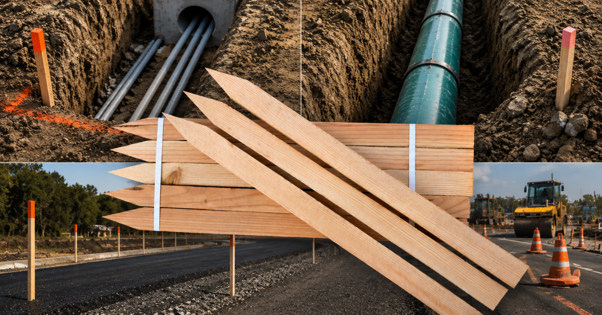
Wood stakes are commonly used for home building, landscaping, grading, and utility work. They are especially helpful when workers need visible markings that can be updated during different stages of construction.
Steel Stakes: Features and Benefits
Steel stakes are designed for strength and long-lasting use. Also known as metal survey stakes, they are made to handle tough conditions where extra durability is needed.
Unlike wood, steel does not easily crack or break when placed in hard soil. This makes them useful for projects where stakes need to stay firm and reliable for a longer time.
Steel stakes are often selected for large construction sites, road work, and other projects that require strong support. Their ability to handle repeated use also makes them valuable for contractors who work on multiple jobs.
Why Choose Steel Stakes?
- Strong enough for hard and rocky ground.
- Can be used again for different projects.
- Provides long-lasting performance.
- Handles heavy-duty construction conditions.
- Less likely to break under pressure.
Although steel stakes may cost more at the beginning, their strength and reuse value can make them a smart choice for demanding projects.
Survey Stakes vs. Steel Stakes: Side-by-Side Comparison
| Feature | Wood Survey Stakes | Steel Stakes |
| Material | Wood lumber | Steel metal |
| Cost | More affordable | Higher initial cost |
| Strength | Good for regular jobs | Excellent for heavy-duty work |
| Weight | Lightweight and easy to carry | Heavier and stronger |
| Marking | Easy to write on | Requires paint or tags |
| Reuse | Limited reuse | High reuse ability |
| Installation | Quick and simple | May require more force |
| Best For | Temporary and small projects | Long-term and large projects |
| Durability | Good | Excellent |
Choosing the Right Option for Your Project
Both wood and steel stakes can help projects stay accurate and organized. The better choice depends on your specific needs.
Wood stakes are a great fit when you need a simple, affordable solution for short-term work. They are easy to mark, transport, and install. Steel stakes are better when strength and long-term performance are more important.
The type of construction stakes you choose should match your project size, working conditions, and budget. By understanding the benefits of each material, you can select staking materials that support better results and smoother project progress.
Factors to Consider Before Choosing Staking Materials
Choosing the right staking materials is important because every project has different needs. Before making a decision, consider the following factors:
- Project Duration
Think about how long the stakes need to stay in the ground. For short projects, wood stakes are often a simple and affordable choice. For projects that continue for a longer time, steel stakes may provide better value because they can handle more wear.
- Ground Conditions
The type of soil also affects your choice. Soft soil is usually easier to work with using wood stakes. Hard, rocky, or uneven ground may require stronger options like steel stakes to provide better support and stability.
- Budget and Quantity
The number of stakes needed can affect your total cost. If a project requires a large number of land survey stakes, wood options may help reduce expenses. However, if you plan to reuse stakes for future jobs, investing in steel may save money over time.
- Marking Needs
Clear markings help teams complete work correctly. Wood stakes provide a smooth surface where workers can easily write measurements, notes, and instructions. This makes them useful when frequent updates are needed during a project.
Common Uses of Survey Stakes
Survey stakes are used in many types of work where accurate marking is important. From small landscaping jobs to large construction projects, these simple tools help workers create clear reference points.
Some common uses include:
- Property boundary marking
- Residential building projects
- Road and highway construction
- Utility installation
- Landscaping and grading
- Excavation work
Surveyors use these markers to identify locations before construction begins. Builders also depend on them to follow plans correctly and keep different stages of work organized.
The right type of stake can improve accuracy and reduce delays. Choosing quality survey stakes helps workers complete measurements properly and maintain clear communication throughout the project.
Why Quality Matters?
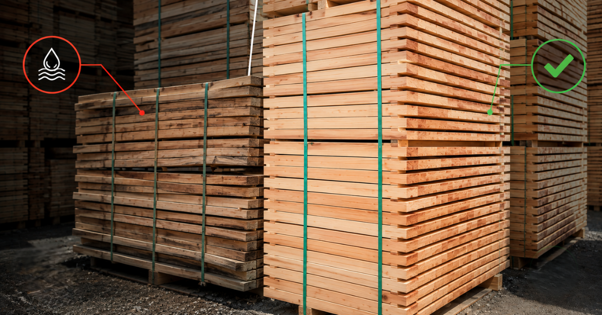
The quality of your materials can affect the success of your project. Low-quality stakes may break, bend, or become difficult to use, which can lead to incorrect measurements and wasted time.
Reliable metal survey stakes and wood options are made to provide better performance on job sites. Strong materials help workers create accurate markings and reduce the need for frequent replacements.
When choosing stakes, it is important to consider durability, ease of use, and project requirements. Good-quality materials help improve efficiency and make daily tasks easier for contractors, builders, and surveyors.
Get In Touch With Us!!
Selecting the right materials can help your project run smoothly from the beginning. Wood stakes offer an affordable and simple solution for many jobs, while steel options provide extra strength for challenging conditions. Understanding your needs makes it easier to choose the best option.
At Billboard Lumber Company, we provide dependable products designed to support builders, contractors, and survey professionals. We focus on offering quality materials and helpful service so you can complete your projects with confidence.
Frequently Asked Questions
- Are wood survey stakes suitable for construction projects?
Yes, wood survey stakes are suitable for many construction and surveying jobs. They are affordable, easy to mark, and simple to install, making them a popular choice for temporary projects and regular site work.
- When should I use steel stakes instead of wood stakes?
Steel stakes are a better option when a project requires extra strength, long-term use, or installation in hard and rocky ground. They are also useful when contractors need reusable materials.
- Can land survey stakes be reused?
Yes, some stakes can be reused depending on their condition. Steel stakes usually offer more reuse opportunities because they are stronger and can handle repeated installation. Wood stakes may also be reused if they remain in good shape.
- What are the most common staking materials?
The most common staking materials are wood and steel. Both options are widely used because they provide reliable marking solutions for different project types and working conditions.
- How do I choose the right survey stakes for my project?
Start by considering your project length, soil type, budget, and how often you need to reuse the stakes. Short-term jobs often work well with wood, while long-term or heavy-duty projects may benefit from steel.
Share: