
How Kiln-Dried Lumber Improves Strength, Stability, and Performance
Great buildings start with great materials, and choosing the right wood can make a big difference. Wood is used in many projects, but not all wood performs the same way. Kiln-dried wood is specially treated to remove extra moisture, helping it stays strong and stable.
Whether you are building a home, creating furniture, or working on a construction project, using properly dried lumber can improve results. Understanding how this process works can help you make better choices for your next project.
What Is Kiln-Dried Lumber?
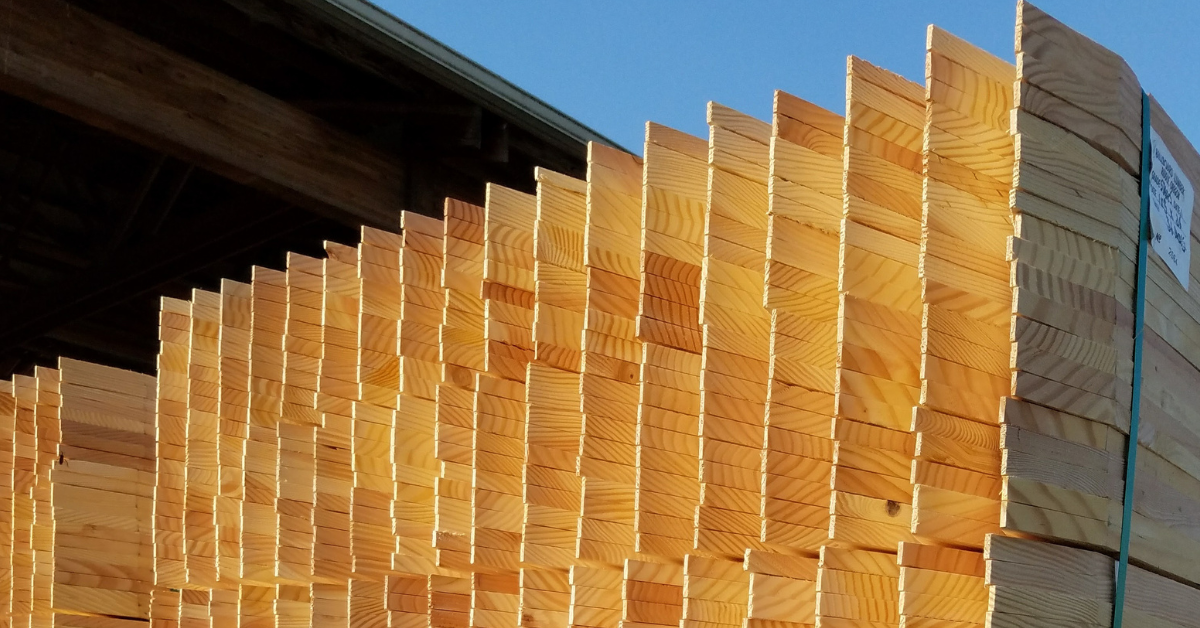
Kiln-dried lumber is wood that has been dried inside a special heated chamber called a kiln. The controlled heat and airflow remove extra water from the wood before it is used.
Fresh wood contains a lot of natural moisture. If that moisture stays inside, the wood may shrink, bend, or crack after installation. Kiln drying helps control this issue by creating wood that is more balanced and ready for building.
For builders, using properly dried lumber means fewer problems and better project results.
Why Moisture Content Matters in Lumber
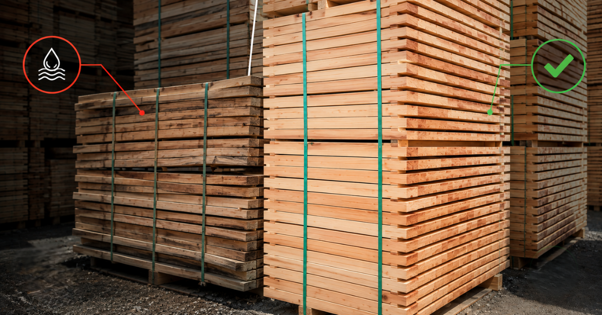
The amount of water inside wood is called lumber moisture content. This level affects how wood behaves after it is installed.
Wood with too much moisture can cause problems such as:
- Shrinking after use
- Warping or twisting
- Cracks and splits
- Weak connections
Kiln drying reduces extra moisture before the lumber reaches the job site. This helps the wood stay more reliable and easier to work with.
How Kiln-Dried Wood Improves Strength?
The kiln drying process does more than remove water. It helps improve the overall quality of the wood.
When wood has the right moisture level, it becomes less likely to change shape over time. This makes it a better choice for projects where strength and long-lasting performance are important.
Builders use kiln-dried wood for framing, furniture, and many other applications because it provides dependable results.
Key Benefits of Kiln-Dried Lumber
There are many benefits of kiln-dried lumber that make it popular among builders and contractors.
- Better Stability
Kiln-dried lumber stays in shape better because most extra moisture has been removed. This reduces unwanted movement after installation.
- Less Warping and Cracking
Dry wood is less likely to bend, twist, or split. This helps projects maintain a cleaner and stronger finish.
- Easier Installation
Because kiln-dried lumber is more stable, it is easier to cut, measure, and install correctly.
- Better Fastener Holding
Dry lumber can hold nails and screws more securely, helping create stronger connections.
The Importance of Dimensional Stability
Dimensional stability means how well wood keeps its original size and shape over time. This is an important feature because changes in wood size can affect a building’s strength and appearance.
Kiln-dried lumber offers better dimensional stability because it has already gone through a controlled drying process. This helps reduce gaps, uneven surfaces, and alignment problems during construction.
Why Builders Choose Kiln-Dried Construction Lumber?
Selecting the right construction lumber can improve the quality of a project. Many builders choose kiln-dried options because they are easier to handle and provide more predictable results.
Common uses include:
- Home framing
- Commercial construction
- Remodeling projects
- Interior wood structures
Dry lumber helps workers complete projects more smoothly while reducing material problems.
Kiln-Dried Lumber vs. Air-Dried Lumber
Air-dried wood uses natural weather conditions to remove moisture. While this method works, it can take longer and may create less consistent results.
Kiln drying uses controlled heat and airflow, allowing manufacturers to manage moisture levels more accurately. This makes kiln-dried lumber a reliable option for projects that need strength and stability.
How to Choose Quality Lumber?
Before buying lumber, consider the type of project, wood quality, and moisture level. Choosing properly processed materials can help reduce problems during construction.
A trusted lumber supplier can provide products that match your project needs and help you achieve better results.
Get in Touch With Us!!
Choosing the right wood helps create projects that last longer and perform better. Kiln-dried lumber offers improved stability, controlled moisture levels, and reliable strength for different building needs.
At Billboard Lumber Company, we provide quality lumber products that support builders, contractors, and construction projects. We focus on offering dependable materials and helpful service so you can complete your work with confidence. Let us help you choose the right lumber solution for your next project.
Frequently Asked Questions
- What is kiln-dried wood used for?
Kiln-dried wood is used for construction, furniture, framing, and many woodworking projects that need stable and reliable material.
- Why is lumber moisture content important?
Lumber moisture content affects how wood performs. Proper moisture levels help prevent shrinking, cracking, and warping.
- What are the main benefits of kiln-dried lumber?
The main benefits include better strength, improved stability, easier installation, and reduced chances of wood movement.
- Does kiln drying make wood stronger?
Kiln drying improves wood performance by reducing extra moisture and helping the material stay stable.
- Is kiln-dried lumber good for construction?
Yes, kiln-dried lumber is a popular choice for construction because it provides reliable performance and better stability.
Share: