
How Lumber Moisture Content Affects Construction Accuracy and Durability
When people build homes, barns, or other structures, they need strong and stable wood. One important thing to check is wood moisture content. This tells us how much water is inside a piece of wood.
If wood has too much water, it may shrink or change shape as it dries. This can affect how well boards fit together. Understanding moisture helps builders choose, store, and use lumber correctly for safe and long-lasting construction projects.
What Is Wood Moisture Content?
Wood is a natural material. It can take in water from the air and release water when the air is dry. Wood moisture content tells us how much water is inside a piece of wood. It is usually shown as a percentage.
Newly cut wood often has a lot of water inside it. As the wood dries, it can become smaller. The amount of change can depend on the type of wood, the size of the board, the weather, and how the wood is dried.
This is why the moisture content of lumber is important before construction begins. If wood is too wet, it may shrink after it is installed. If it is dried and stored properly, it is more likely to keep its shape and size.
Why Lumber Moisture Matters for Construction Accuracy?
Builders need wood pieces to fit together well. Walls, floors, roofs, doors, and windows all depend on accurate measurements. When wood loses water, it can change size and shape.
Wood may shrink more across its width and thickness than along its length. This means a board may become a little narrower or thinner as it dries.
This change can cause:
- Small gaps between boards
- Joints that do not fit correctly
- Boards that bend, twist, or cup
- Changes in wall or floor sizes
- Trouble keeping parts straight and even
- Problems with doors and windows
- Uneven walls, floors, or finished surfaces
This helps explain why lumber moisture matters in building projects. If wood is installed while it is still too wet, it may move as it dries. This movement can make it harder to keep a project accurate.
People Also Ask
- What is the ideal moisture content of lumber for construction?
There is no one moisture level that works for every project. The right level depends on the type of wood, where it will be used, local weather, and project rules. Always follow the requirements for your specific project.
- Why does wet lumber cause construction problems?
Wet lumber can shrink as it dries. This may cause gaps, cracks, warping, twisting, and size changes. These changes can affect how well different parts of a building fit together.
How Moisture Affects Lumber Durability?
Too much moisture can also affect how long wood lasts. Wet wood may create a good place for mold and fungi to grow. In some cases, high moisture can also attract insects that can damage wood.
Wood that keeps getting wet and then drying can also develop cracks, checks, or other changes. Over time, these problems may affect the look and performance of the lumber. Properly dried and stored wood can help lower the risk of moisture-related problems. Stable lumber is more likely to keep its shape and work well for a long time.
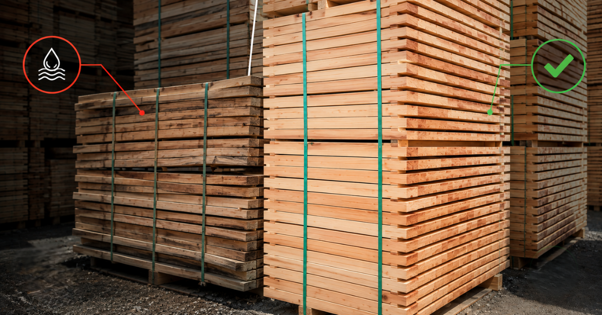
However, moisture control does not stop when lumber leaves the mill. Wood can get wet during shipping, storage, or construction. Keeping lumber away from the ground and protecting it from rain can help keep it in good condition.
The Role of Kiln-Dried Lumber
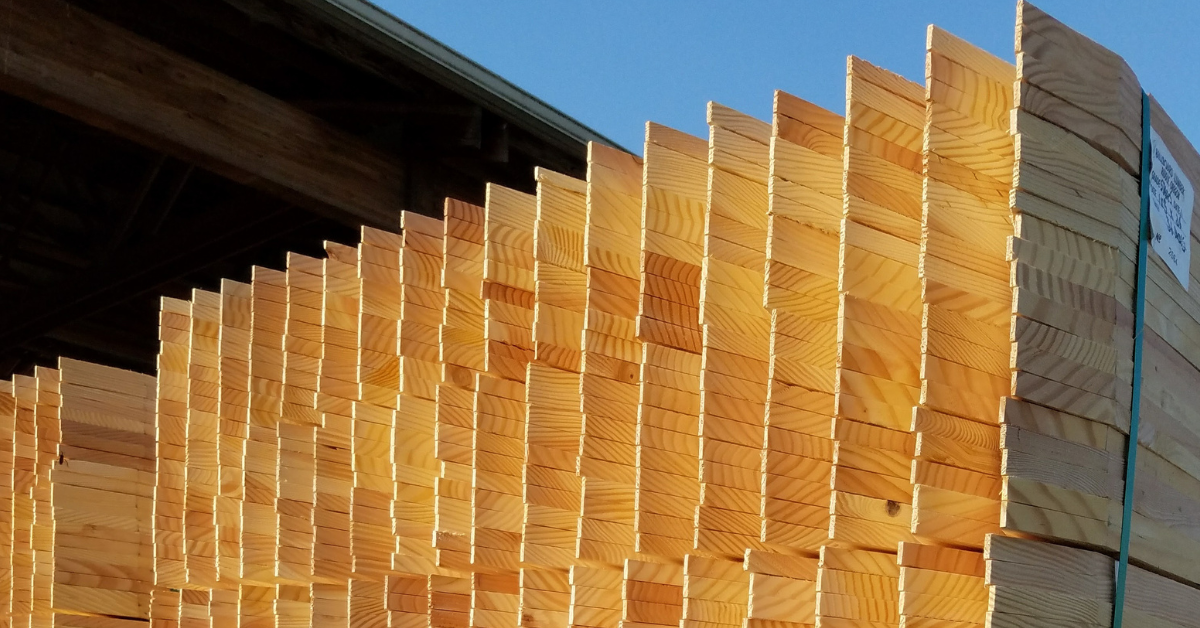
Kiln-dried lumber is wood that is dried inside a special kiln. A kiln is a large space where heat, air, and moisture are carefully controlled. This process removes water from the wood in a more controlled way.
One benefit of kiln drying is that it can help make lumber more stable. It can also help reduce unwanted movement after the wood is used in a building project. Kiln drying can also create conditions that are less friendly to some insects and fungi.
However, not every piece of kiln-dried wood will have exactly the same moisture level. The type of wood, board thickness, and drying process can all make a difference. After drying, wood can also take in water again if it is exposed to wet weather or high humidity.
Understanding Construction Lumber Moisture Before Installation
Managing construction lumber moisture starts with knowing what your project needs. Different buildings and locations may have different moisture conditions.
For example, wood used inside a dry home may need different care than wood used in a wet or humid area. Builders should think about the local weather, building rules, project plans, and the place where the wood will be used.
A moisture meter can help check the amount of water inside lumber. But the meter must be used correctly. The type of wood, temperature, and place where you check the board can affect the reading.
People Also Ask
- Is kiln-dried lumber always better for construction?
Kiln-dried lumber can be a good choice for many building projects because it is dried in a controlled setting. It may offer better stability and more predictable moisture levels. However, the best type of lumber depends on the needs of each project.
- How can I check the moisture content of lumber?
You can use a wood moisture meter to check the moisture level. For better results, check several boards. Remember that wood type and temperature can affect the reading.
- Can lumber absorb moisture after it has been kiln-dried?
Yes. Wood can take in water from the air even after it has been kiln-dried. Rain, high humidity, and poor storage can all add moisture back into lumber. This is why proper storage is important.
Best Practices for Managing Lumber Moisture
A few simple steps can help protect lumber and improve construction results.
- Know the Project Requirements
Learn what moisture level is best for the type of project you are building. The right level can depend on the wood, location, and how the lumber will be used.
- Measure Before Installation
Use a good moisture meter to check the lumber before putting it into the project. Check several boards instead of checking only one.
- Store Lumber Correctly
Keep lumber off the ground and protect it from rain and standing water. Leave enough space for air to move around the boards.
- Allow Appropriate Acclimation
In some projects, lumber may need time to adjust to the air and temperature of the place where it will be installed. Follow the proper recommendations for your project.
- Choose Properly Dried Materials
When a project needs stable wood, consider properly processed kiln-dried lumber that meets the project’s needs and specifications.
Get in Touch With Us!!
Managing lumber correctly can help builders create stronger and more accurate structures. Choosing the right materials, checking moisture levels, and storing lumber properly can reduce unwanted movement and help wood last longer.
At Billboard Lumber Company, we provide lumber products and services for many needs. We invite you to contact us and let us help you find the right lumber solution for your next project. Our team is ready to support you with quality materials and helpful service for your construction needs.
Share: